
Symbio Wildlife Park — Australian Wildlife on the Royal National Park Tour
Symbio Wildlife Park sits in Helensburgh, just outside the Royal National Park's southern boundary — close enough to fold into a Royal National Park day without significantly extending the drive. It's a well-run park with a good mix of native animals and enough time-sensitive presentations to reward planning your visit around them.
The Animals
The native animals at Symbio include koalas, kangaroos, wallabies, wombats, Tasmanian devils, dingoes, echidnas, emus, cassowaries, goannas and a variety of birds and reptiles. There's also an albino echidna, which stops most visitors in their tracks.
The kangaroos and wallabies roam in an open area and are thoroughly accustomed to people — relaxed to the point of indifference, which makes for easy interaction and good photography.
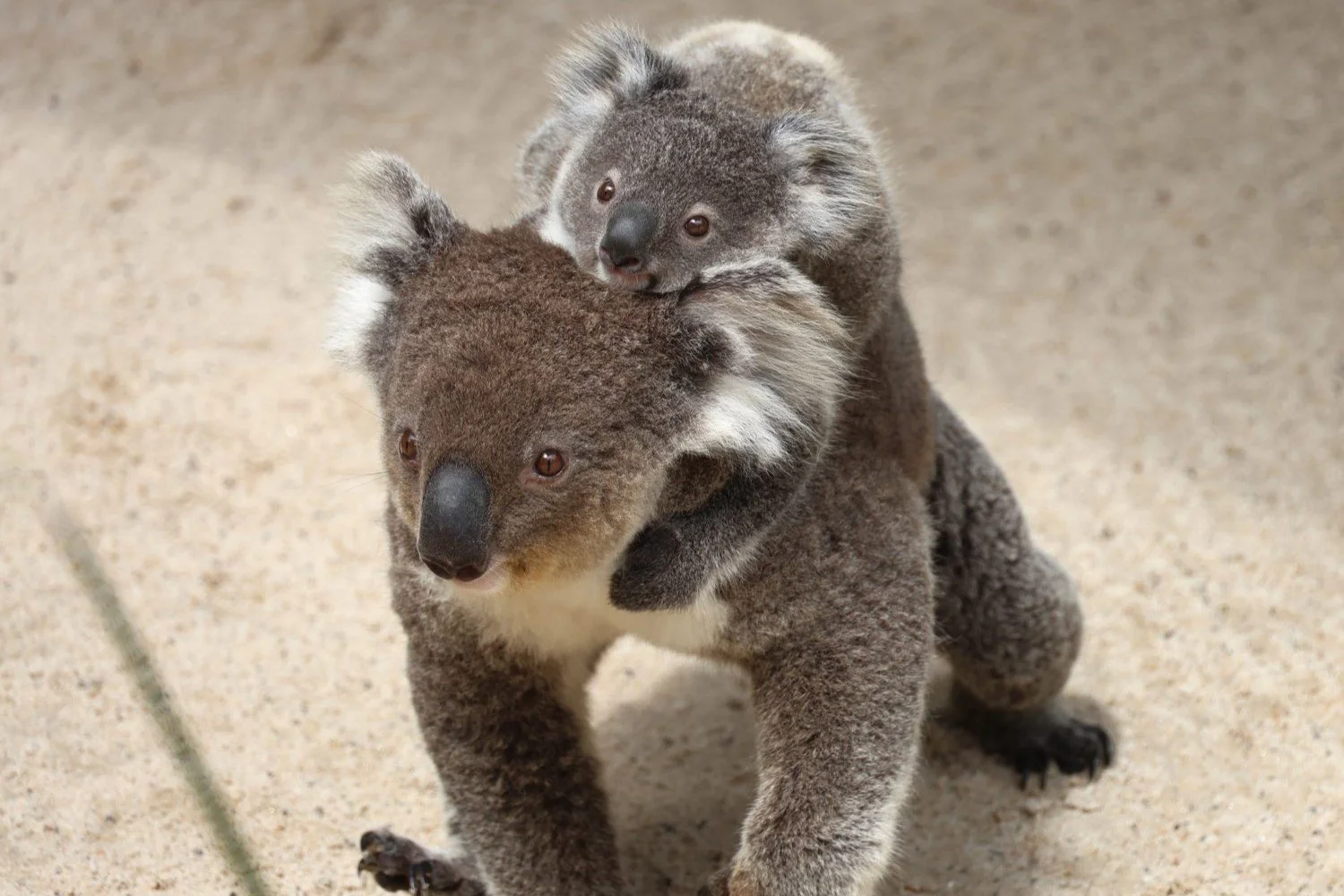
Koalas are a reliable drawcard but require timing. They sleep up to 20 hours a day — a consequence of the poor nutritional value of eucalyptus leaves, which demands a significant conservation of energy. The afternoon koala presentation is when they're most active. It's worth organising the day around the 3pm session if koalas are a priority.
Wombats are reliably present and reliably asleep — compact, solid and completely unbothered by visitors. The little penguins at Penguin Shores are one of the more unexpected highlights, being the world's smallest penguin species and considerably more charming in person than the name suggests. Quokkas — better known from their natural habitat on Rottnest Island off Perth — are also at Symbio, and are as photogenic as their reputation suggests, though being nocturnal animals they're quieter during the day.
The Tasmanian Devil
The Tasmanian devil is one of Symbio's most compelling animals and worth taking time with. Extinct on the Australian mainland for around 3,000 years — outcompeted by the dingo, which never made it to Tasmania — they now exist in the wild only on the island state.
In person they're smaller than most people expect. The face is distinctive: dark deep-set eyes, prominent whiskers, large ears that flush pink when calm and turn a vivid purple when agitated. The front legs are noticeably larger than the back, which gives them an odd galloping gait when they move quickly.
The reputation comes from the noise. Devils are primarily nocturnal and will fight ferociously over food and mates — producing growling, unsettling sounds that apparently alarmed early European settlers enough to inspire the name. In daylight hours at Symbio they tend toward the inquisitive end of the behavioural spectrum, often making direct eye contact or simply standing and sniffing the air.
Their jaws are extraordinarily strong — strong enough to consume an entire carcass including fur and bone. As scavengers go, they are thorough.
Visiting with Sydney Nimble Tours
Symbio is an optional addition to our Royal National Park private day tour. The main consideration is timing — fitting it in requires adjusting other stops in the day, so it's worth discussing in advance when planning your itinerary.
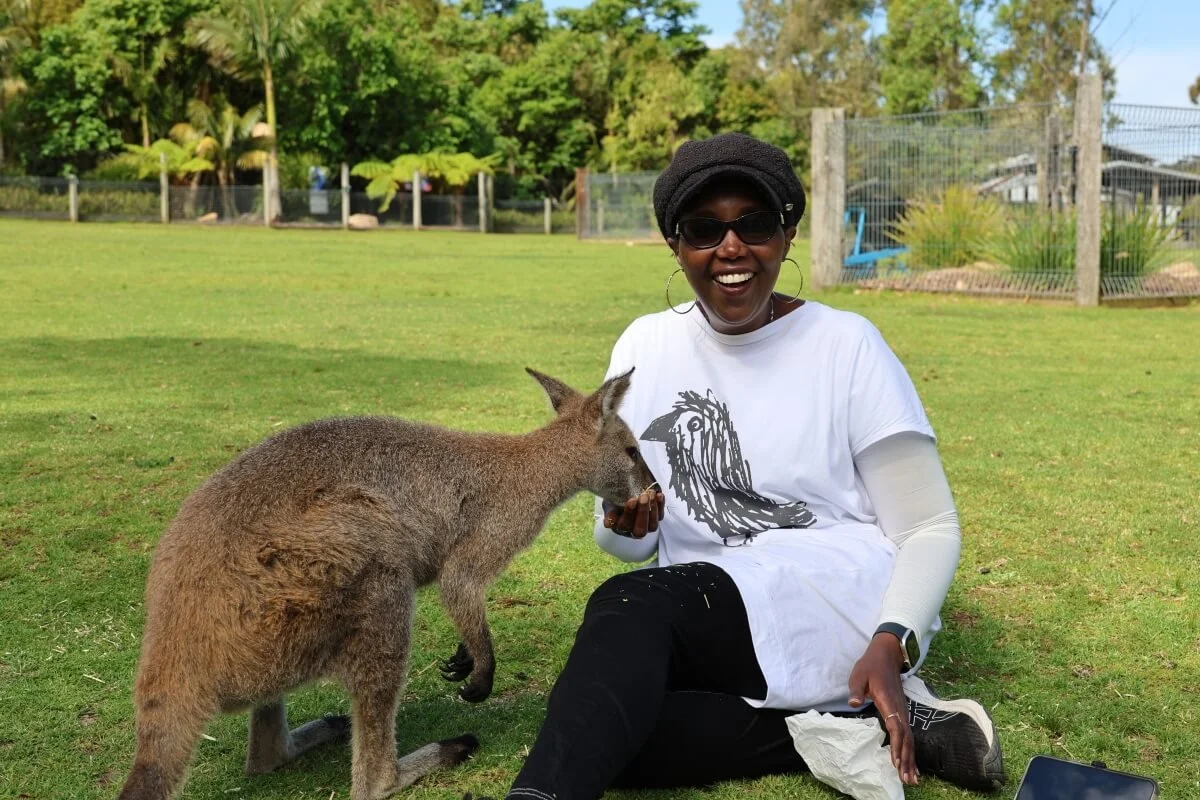
The kangaroos and wallabies at Symbio are very frfiendly
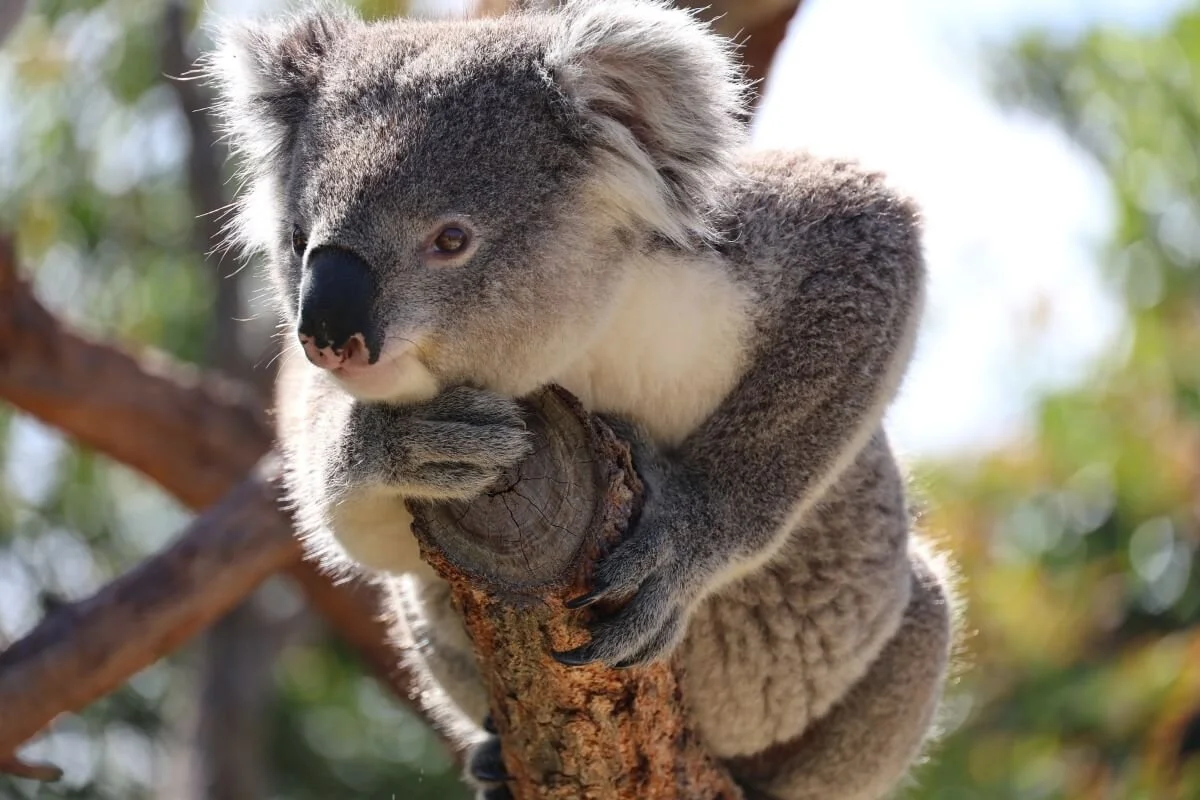
Koalas at Symbio are most active around the 3pm presentation
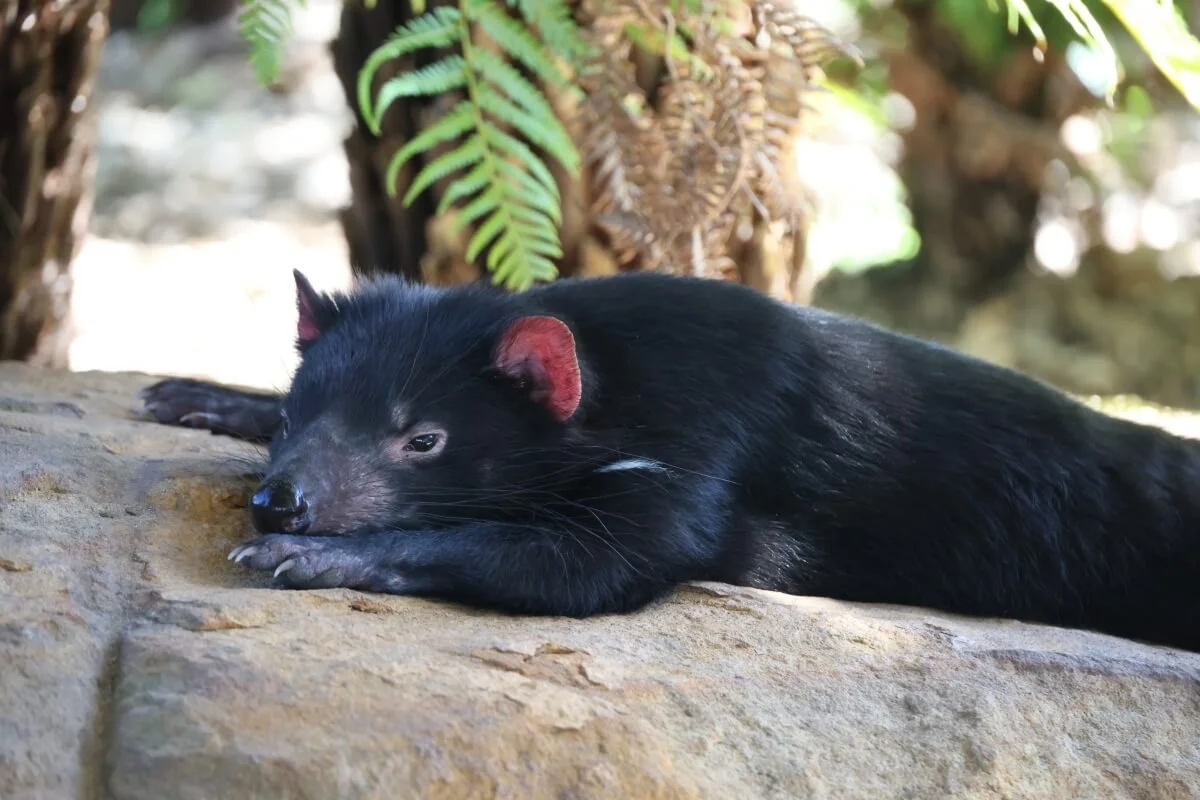
A Tasmanian devil at rest, they are feroscious when fed together
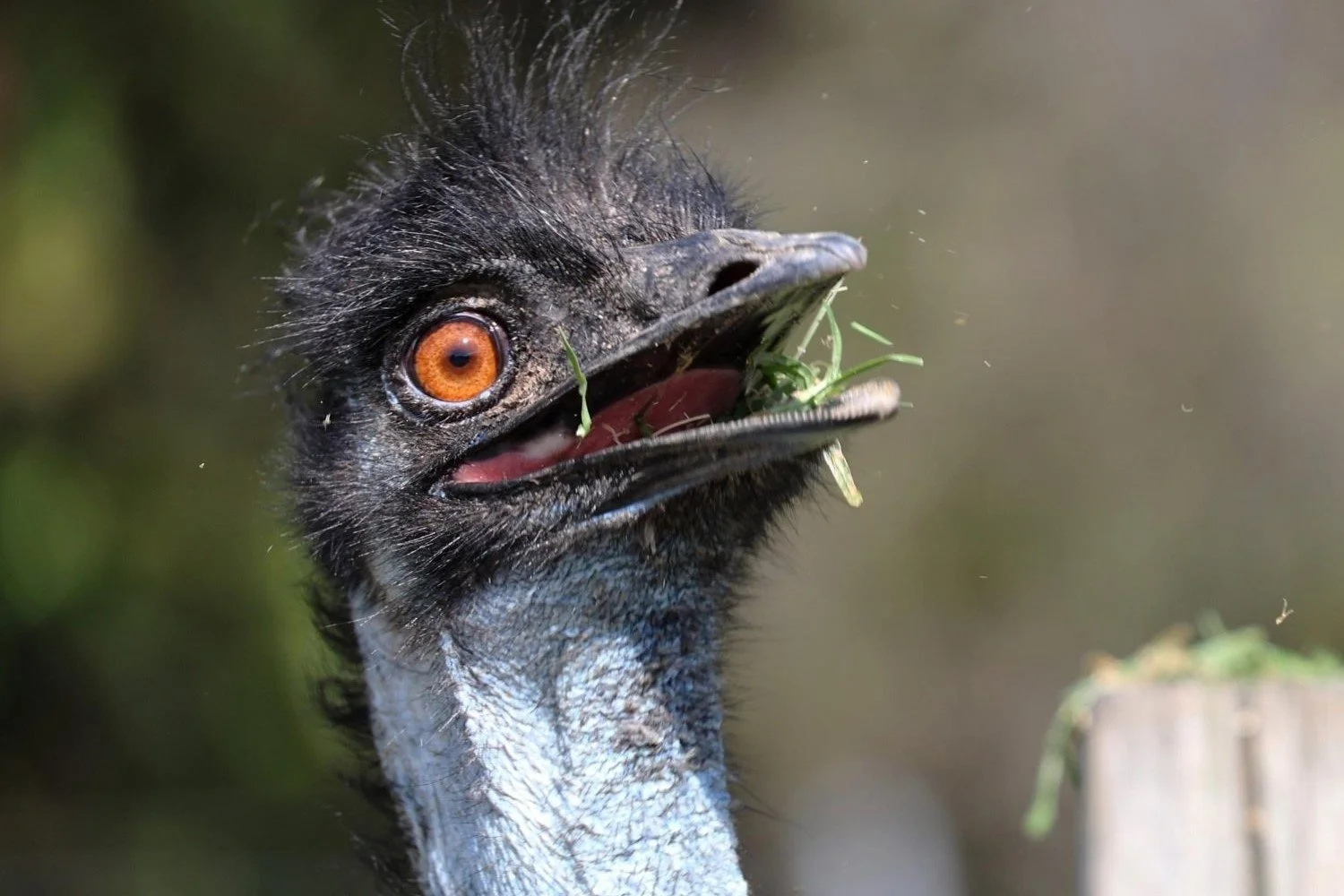
Emus have quirky facial expressions
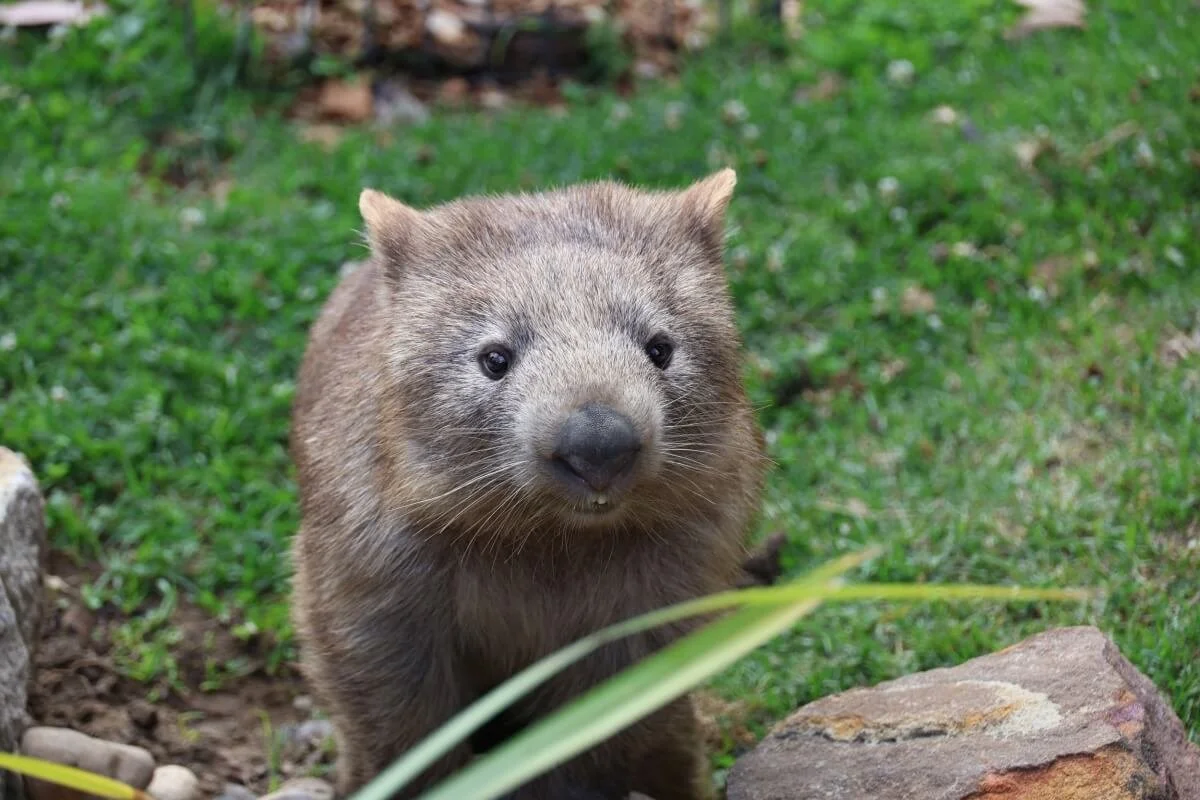
Wombats look cute but beware, they can be very aggressive - best viewed at a short distnace